

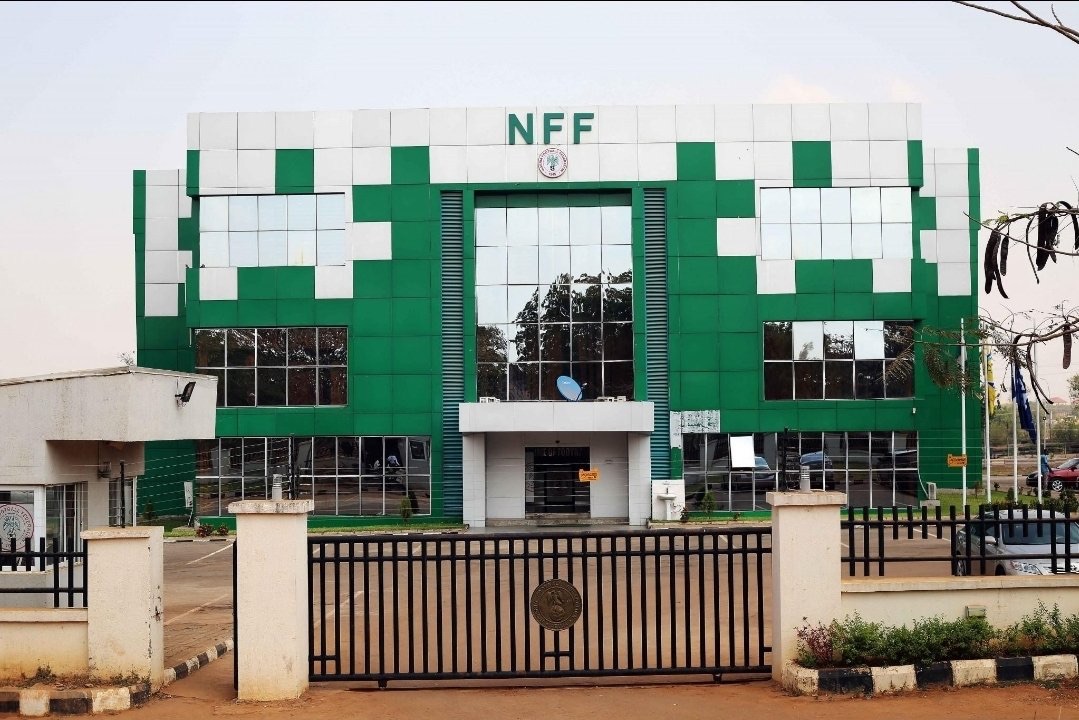
Abuja, August 17, 2026 — The National Sports Commission (NSC) has cancelled the Nigeria Football Federation (NFF) elective congress scheduled for September 27 in Lafia, Nasarawa State. The decision aims to allow a thorough reorganisation of the federation amid widespread concern over the state of Nigerian football.
In the interim, the NSC plans to install a three-month “normalisation committee” to oversee the nation’s football affairs and prepare the ground for a fresh election. The move has jolted the Ibrahim Gusau-led executive committee, which was seeking a second four-year term after taking office in 2022.
According to reports, the NSC reached the decision following the Super Falcons’ elimination from the African playoff pathway to the 2027 FIFA Women’s World Cup. The team lost 2-1 to South Africa’s Banyana Banyana in Morocco, ending Nigeria’s unbroken record of appearing at every Women’s World Cup since the tournament began in China in 1991.
The Super Falcons’ exit formed part of a broader pattern of setbacks under the current NFF board. These include the Super Eagles’ failure to qualify for the 2026 FIFA World Cup, disappointing results across youth and women’s age-group teams, and poor showings by Nigerian clubs in CAF competitions. Stakeholders have described the period as a “free fall” in Nigerian football despite government funding, FIFA Forward Programme support, and commercial sponsorships.
Sources indicate the NSC secured the backing of FIFA after assuring embattled FIFA President Gianni Infantino of Nigeria’s support for his re-election bid. Contact was also made with Confederation of African Football (CAF) President Patrice Motsepe. The Presidency has reportedly approved the announcement of the normalisation committee within 48 hours, with the composition expected to be made public by Tuesday at the latest.
An earlier suggestion to place former NFF President Amaju Pinnick at the head of the committee was rejected by some top Presidency officials. There was also reported pushback against retaining long-serving General Secretary Dr Mohammed Sanusi in the interim structure. The identity of the eventual committee leadership remains unclear.
The normalisation committee is expected to address longstanding stakeholder concerns about electoral processes, governance structures, and development pathways before organising a new election. An NSC official contacted for comment described the matter as sensitive, stating only that the Commission is working on it and Nigerians will hear more soon.
The cancellation comes after the NFF had amended its statutes earlier in the year, expanded congress representation, and inaugurated electoral committees in preparation for the September polls. Gusau’s board had been positioning for continuity, but mounting public and stakeholder pressure over successive national-team failures appears to have shifted the dynamic.
Nigerian football now enters a transitional phase. The three-month window will test whether the normalisation process can deliver meaningful reforms or simply reset the leadership cycle. For a country that once dominated African football and produced consistent World Cup participants, the coming months will be closely watched by fans, administrators, and international bodies alike.