

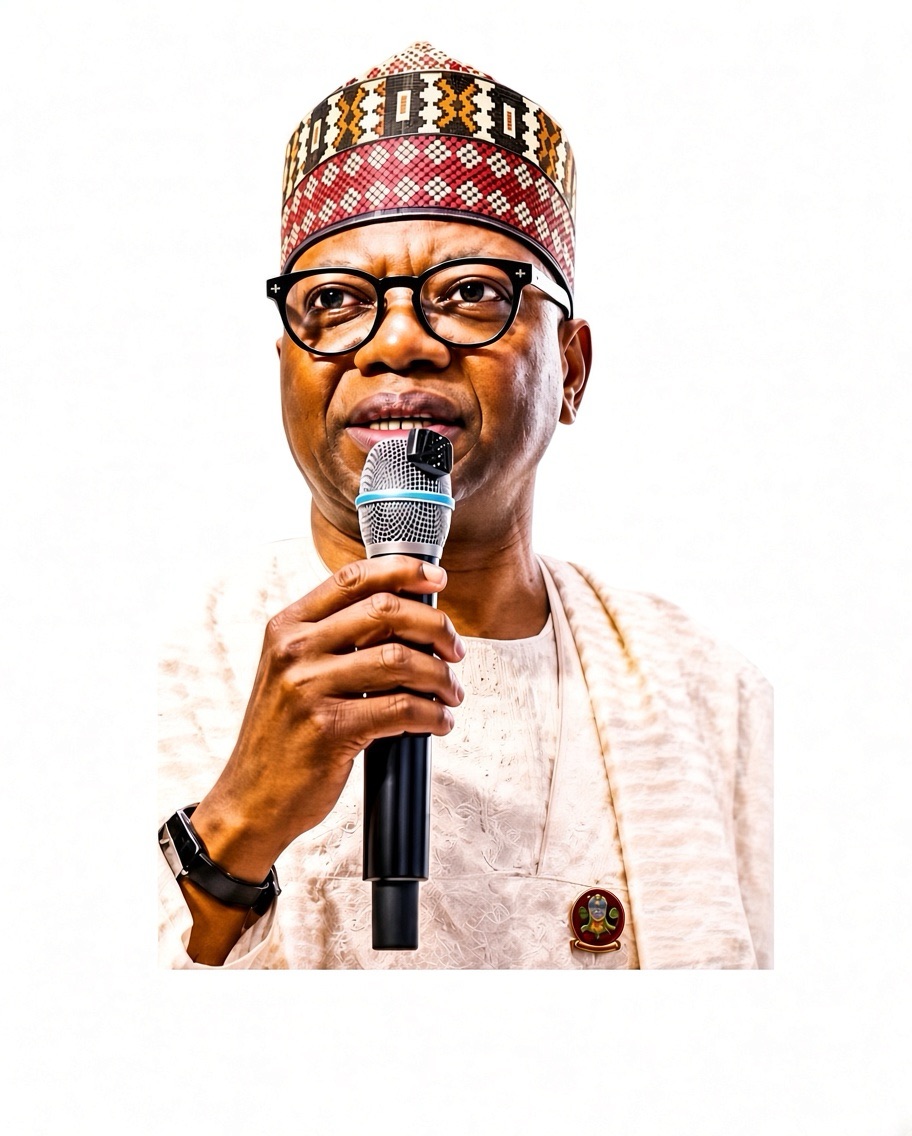
In the aftermath of a deadly incident involving young miners in Niger State, Senator Mohammed Sani Musa has stepped in to support the education of one of the young people connected to the events. The senator has offered an international scholarship to Yazid, a 100-level student at a private medical college in Minna whose ambition is to become a medical doctor.
Yazid came to public attention after being interviewed at a mining site in the area where numerous young people were arrested in connection with illegal mining activities. Those arrests, carried out by operatives of the Nigeria Security and Civil Defence Corps (NSCDC), preceded a tragedy in which dozens of detainees; many of them teenagers and young adults who died while in custody in Minna. Reports indicated that a large number of people had been held in overcrowded conditions with limited ventilation, leading to allegations of suffocation. The deaths sparked protests, official investigations, and widespread public concern about the treatment of artisanal miners and the broader challenges of illegal mining in the region.
Against this backdrop of loss and community distress, Senator Musa, who represents Niger East Senatorial District, has taken responsibility for sponsoring Yazid’s studies abroad. The young man, already enrolled in a medical programme locally, will now have the opportunity to pursue his medical education internationally, with the senator ensuring support for him and his family so that his vision of becoming a doctor can become reality.
The gesture aligns with Senator Musa’s established pattern of educational interventions. He has previously sponsored significant numbers of students from his constituency for undergraduate studies in countries including India, China, Russia, and Morocco, focusing on fields such as medicine, engineering, technology, and related disciplines. His programmes have included both international scholarships and domestic bursary support, as well as other constituency projects in health and empowerment.
While the individual scholarship has been welcomed by many as a positive step for Yazid and his family, it has also prompted wider reflection. Some observers noted that attention often centres on single beneficiaries rather than systemic reforms that could address the root causes of illegal mining, youth unemployment, and inadequate educational opportunities for large numbers of young people. Others pointed to the scale of the recent tragedy with dozens of lives lost and questioned how one scholarship relates to the broader needs of affected communities.
Nevertheless, for Yazid the support represents a concrete opportunity to advance toward his professional goal. In a region where many young people face limited pathways out of informal and often dangerous work such as artisanal mining, access to quality medical training abroad could open doors not only for him but potentially for improved healthcare delivery upon his return.
The senator’s intervention underscores the role individual public figures can play in responding to personal stories that emerge from larger crises. As investigations into the miners’ deaths continue and conversations about mining regulation and youth development persist in Niger State, Yazid’s scholarship stands as one tangible outcome amid the broader challenges facing the community.