

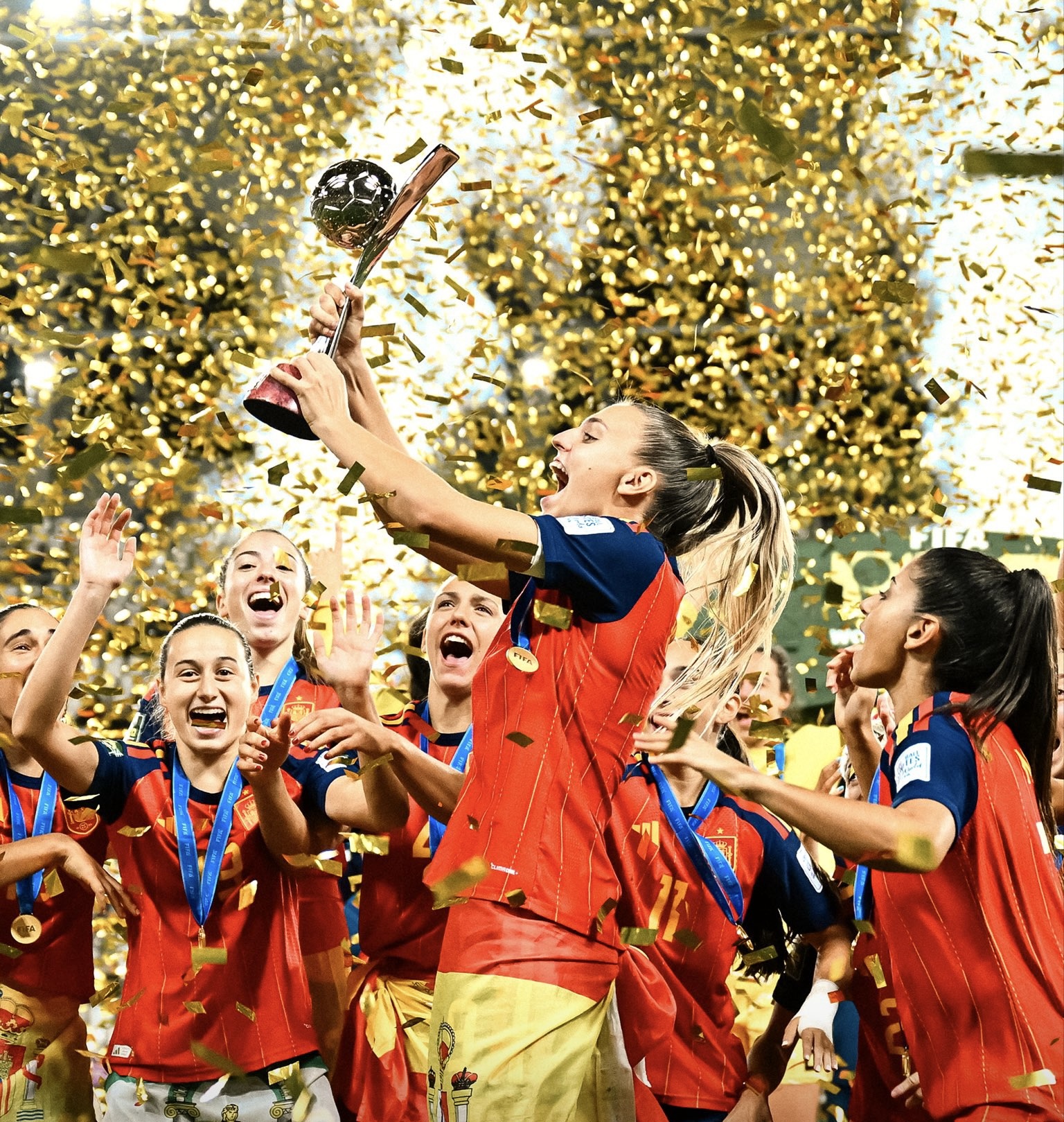
Spain have been crowned champions of the 2026 FIFA U-20 Women’s World Cup after defeating defending champions DPR Korea (North Korea) 4-3 on penalties following a goalless draw through 120 minutes in the final held in Łódź, Poland.
Goalkeeper Laia López emerged as the hero of the shootout, making two decisive saves. Spain converted all four of their penalties. The victory marks Spain’s second title in the competition, following their triumph in 2022.
DPR Korea entered the final as defending champions from 2024 and notably became the first team in the tournament’s history not to concede a single goal throughout the competition. The final pitted the last two winners against each other and featured several players who had contested the 2024 U-17 Women’s World Cup final, which North Korea won on penalties.
The result further highlights Spain’s dominance in women’s football. The country now holds multiple recent FIFA titles across categories, including the senior Women’s World Cup and, in 2026, the men’s World Cup as well. Individual awards saw Rosalía Domínguez named Player of the Tournament, Pau Comendador take the Golden Boot with six goals, and López claim the Golden Glove.
Spain’s path to the title included solid knockout wins, culminating in this hard-fought final success.