

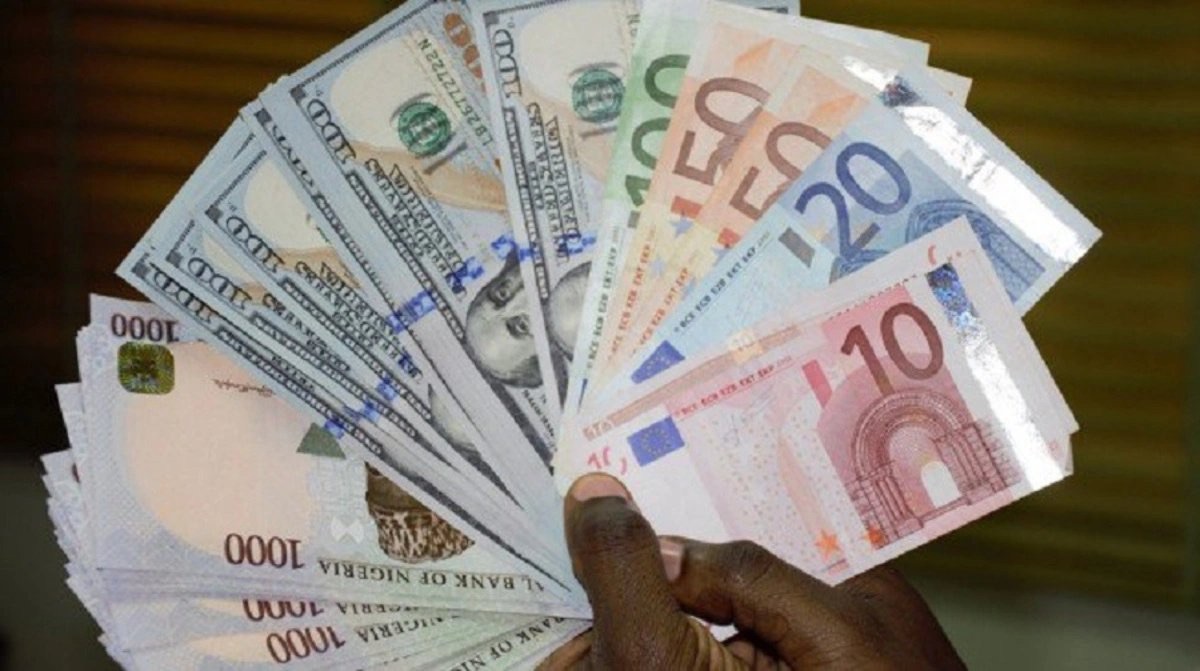
The naira picked up another weekly gain against the US dollar last week, helped by better foreign exchange supply and healthier liquidity in the market.
According to Central Bank of Nigeria data, the currency closed the week at N1,346.49 per dollar in the official market. That works out to a gain of N11.11 over five trading days, or about 0.83 percent from the previous week. Improved dollar availability appears to have eased some of the usual pressure on the local currency.
The parallel market also showed a slight improvement. The naira finished at N1,400.61 per dollar there, with demand and supply looking relatively balanced.
Traders pointed to inflows from foreign investors, exporters, and non-bank corporates as the main sources of the extra dollars that kept the market moving smoothly.
At the same time, Nigeria’s gross external reserves rose by 0.65 percent to $52.657 billion. The higher reserve figure adds another layer of support to the country’s external position and has lifted hopes that the recent calm in the forex market can hold for a while longer.
Some market participants are now looking at a rate around N1,350 per dollar by the end of 2026. That projection reflects the growing sense that the naira may stay relatively steady if current conditions continue.
Oil prices offered additional help. Brent crude climbed 0.61 percent to $94.39 a barrel, while West Texas Intermediate rose 0.23 percent to $87.06. Higher crude prices usually mean better export earnings for Nigeria, which can feed more dollars into the system. Analysts caution, though, that ongoing geopolitical tensions involving Iran and Russia could still keep oil prices jumpy in the weeks ahead.
For now, the combination of stronger FX liquidity and rising reserves has left many watching the naira with a bit more optimism. Most expect the currency to remain broadly stable in the near term, provided the dollar inflows hold up and no major external shocks hit the market.