

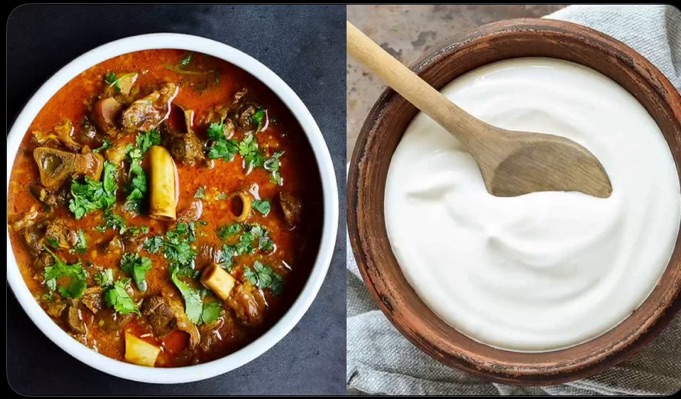
China is reportedly considering the addition of yogurt and mutton to school midday meal programmes to optimise protein intake among children, according to claims circulating on social media.
The proposal aims to improve nutritional quality in school feeding schemes, which already form a large-scale public health and education support effort in the country. High-quality protein sources such as dairy and certain meats are seen as important for growth, cognitive development, and overall health outcomes in school-age populations.
Independent verification of the specific “yogurt and mutton” recommendation against official Chinese policy documents or major news outlets was limited in available English-language reporting at the time of drafting; the claim originated from social media commentary referencing an unspecified report. China’s existing Nutrition Improvement Program and related school meal guidelines have previously emphasised balanced intake including milk/dairy, eggs, meat, fish, soy products, vegetables, and fruit to address deficiencies, particularly in rural areas.
Any formal policy change would typically involve assessment of cost, supply chains, cultural acceptance, food safety, and nutritional science guidance from relevant ministries.