

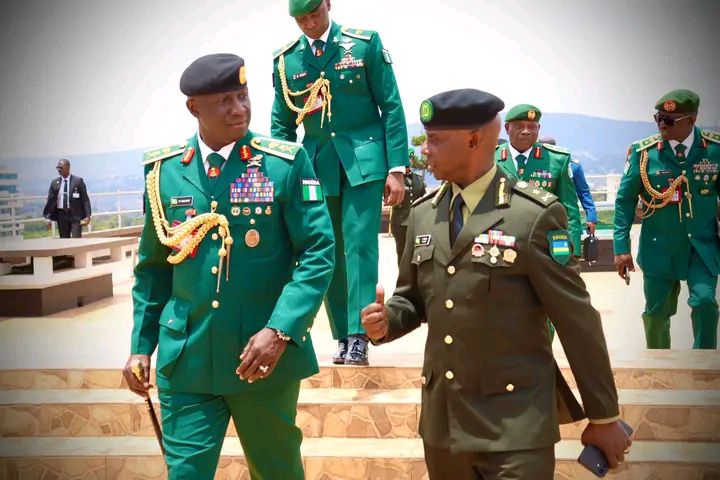

The Nigerian Army chief’s visit to Kigali highlights lessons from Rwanda’s history on conflict prevention, human rights and the need for national cohesion.
The Chief of Army Staff (COAS), Lieutenant General Waidi Shaibu, has visited the Campaign Against Genocide Museum in Kigali, Rwanda, as part of his official working trip to the East African country.
The visit, which took place on Monday, October 19, 2026, focused attention on civilian protection, the consequences of violent conflict and the importance of unity in preventing threats to national stability.

The museum, located within Rwanda’s parliamentary complex, documents the role of the Rwandan Patriotic Army in ending the 1994 Genocide against the Tutsi. It also preserves historical accounts of the military campaign and the efforts to rescue victims during the period of mass violence.

The genocide, which lasted approximately 100 days, claimed hundreds of thousands of lives, predominantly among the Tutsi population. The tragedy remains a significant historical lesson on the dangers of ethnic hatred, extremist ideology and the failure to prevent mass atrocities.
According to information released by the Nigerian Army, Shaibu’s visit underscored the need for security operations to prioritise the protection of innocent civilians while confronting threats to peace and public safety.

The experience also highlighted the importance of human rights, responsible leadership and cooperation between security agencies and the communities they serve.
The Army further stressed the relevance of Rwanda’s experience to Nigeria, urging citizens to place national interests above ethnic, religious and political divisions and work collectively towards a peaceful and secure society.
Nigeria continues to face various security challenges, making public cooperation, effective security measures and efforts to prevent communal tensions important elements of national stability.
The visit also reflected the Nigerian Army’s stated commitment to strengthening relations with Rwanda and its defence forces through shared experiences and cooperation on security matters.

The development was communicated by the Acting Director of Army Public Relations, Colonel Appolonia Anele, in a statement dated October 19, 2026.