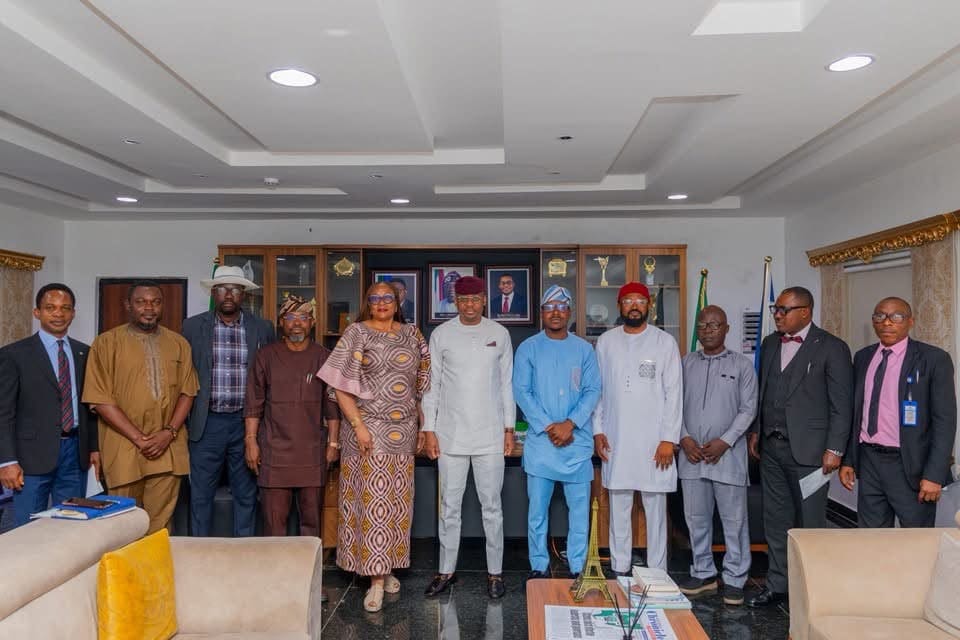
The Cross River State Government has inaugurated the State Steering Committee for the implementation of the Nigeria Community Action for Resilience and Economic Stimulus (NG-CARES) 2.0, following the state’s reported strong performance under the first phase of the Federal Government–World Bank intervention.
The committee was inaugurated by Governor Bassey Edet Otu, who was represented by his Deputy, Rt. Hon. Peter Odey, at Government House, Calabar.
Governor Otu charged members of the committee to build on the gains recorded under NG-CARES 1.0 and ensure effective implementation of the second phase in the overall interest of Cross River citizens.
According to the Governor, NG-CARES 2.0 is designed to strengthen existing social safety nets, provide livelihood support and improve agricultural value chains, among other interventions aimed at enhancing the economic resilience and wellbeing of vulnerable citizens.
He commended the state NG-CARES coordinating team for its performance under the first phase and assured the new committee of the state government’s continued support.
Otu also urged members to discharge their responsibilities with diligence, accountability and a strong sense of service, particularly by ensuring that programme benefits reach the intended beneficiaries.
Responding on behalf of the committee, the Commissioner for Finance and Chairman of the committee, Dr. Michael Odere, thanked the Governor for the confidence reposed in the members.
Odere pledged that the committee would ensure prudent management of resources in line with NG-CARES objectives and guidelines, while upholding transparency and accountability in the implementation of the programme.
Meanwhile, the State NG-CARES Coordinator and Secretary of the committee, Chief Henry Egbelo, disclosed that Cross River ranked second nationally and first in the South-South under NG-CARES 1.0.
Egbelo said the state recorded ₦49.43 billion in total earnings and ₦32.52 billion in reimbursements under the first phase.
He explained that NG-CARES 1.0 supported vulnerable households through social protection interventions, while vulnerable youths and street sweepers benefited from the Labour-Intensive Public Works component.
According to him, farmers across major agricultural value chains also benefited through FADAMA, while the Community and Social Development Agency implemented community infrastructure projects and eligible micro and small enterprises received grants.
Egbelo commended the Cross River State Government for its support and the enabling environment provided for the implementation of NG-CARES 1.0.
He said the achievements recorded under the first phase demonstrated the state’s capacity to implement development interventions aimed at improving livelihoods and strengthening economic resilience.