

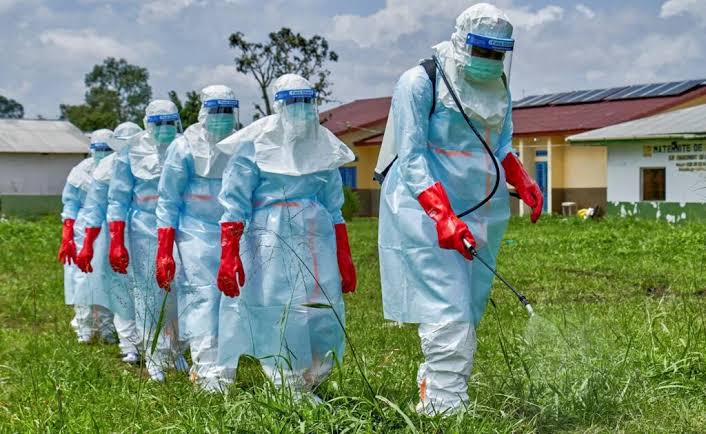
The Federal Government has called on 15 state governments to urgently strengthen their preparedness for Ebola Virus Disease (EVD), warning that gaps in state-level response plans could undermine efforts to prevent further infections.
The Coordinating Minister of Health and Social Welfare, Professor Muhammad Ali Pate, made the appeal while briefing the National Economic Council (NEC) on measures being taken to contain Nigeria’s confirmed Ebola case.
According to reports published on October 22 and 23, Pate said 21 states had updated their preparedness plans, while the remaining 15 needed to accelerate the establishment of effective response mechanisms.
The directive comes after Nigeria confirmed an imported case of Ebola Bundibugyo virus disease in the Federal Capital Territory on October 20. The World Health Organisation (WHO) said the patient, a woman who had recently travelled from Uganda, was receiving treatment in isolation.
The Federal Ministry of Health reported that 44 contacts had been identified for monitoring as public health teams continued investigations to establish possible exposure and prevent further transmission.
As part of the national response, the Federal Government has instructed public and private healthcare facilities to prepare isolation beds, improve infection-prevention procedures and promptly report suspected cases to public health authorities.
Pate identified coordination between government agencies, screening at points of entry, laboratory testing, the availability of essential medical supplies and protective equipment, and effective public communication as key areas requiring attention.
The Nigeria Centre for Disease Control and Prevention (NCDC) is coordinating the response alongside state health authorities and international partners, including the WHO and the Africa Centres for Disease Control and Prevention.
State governments are expected to strengthen surveillance systems, ensure that medical personnel can recognise possible symptoms and establish clear procedures for isolating and referring to suspected cases.
The WHO has emphasised that rapid identification of suspected cases, effective contact tracing and strict infection-control measures are essential to containing the outbreak.
Meanwhile, the Federal Government said there was no evidence, as of October 22, that the confirmed infection had spread into the wider community. Health authorities have continued monitoring contacts while assessing the evolving situation.
The government has urged Nigerians to remain calm, avoid spreading unverified information and seek medical attention if they develop symptoms following possible exposure.
Ebola can cause severe illness, and transmission can occur through direct contact with the blood or other bodily fluids of an infected person who has developed symptoms, or with contaminated materials.
The authorities maintain that cooperation among federal and state governments, healthcare workers and the public will be essential to limiting the risk of further infections.