


Presidential panel says draft is 90 per cent ready, with governors’ observations still to be resolved
ABUJA — The Federal Government has moved closer to submitting its proposed National Policing Bill to the National Assembly, with presidential officials projecting that the draft legislation could be transmitted to lawmakers within the next two weeks.
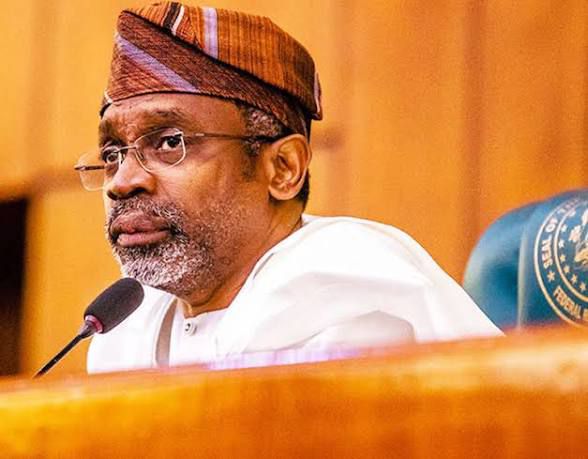
Femi Gbajabiamila, Chief of Staff to President Bola Tinubu and chairman of the Presidential Working Group on policing reform, disclosed the development on Thursday, October 15, following a meeting of the group’s steering committee at the State House in Abuja.
He explained that the drafting process had reached an advanced stage, although a few outstanding issues, including observations raised by state governors, still required attention before the document could be finalised.
Gbajabiamila indicated that the committee might convene one more meeting to review the remaining issues and ensure the proposed legislation was ready for consideration by the legislature.
The working group’s deliberations on the proposed reforms began on August 3, according to a statement issued by Bayo Onanuga, the President’s Special Adviser on Information and Strategy.
The Presidency has described the proposed legislation as a major component of the Tinubu administration’s efforts to reform policing in Nigeria.
The bill is expected to establish a legal and operational framework for the proposed restructuring of the country’s policing system, including the relationship between federal and state police services.
The initiative comes amid sustained national discussions about decentralising policing responsibilities as part of efforts to address security challenges across the federation.
Gbajabiamila also expressed confidence that the proposed constitutional amendments required to establish state police would receive wider support from state legislatures.
However, the constitutional process remains a separate and necessary step. The proposed National Policing Bill’s submission to the National Assembly would not, by itself, establish state police; the relevant constitutional amendments must also satisfy the requirements stipulated by the 1999 Constitution.
The October 15 meeting brought together senior government and security officials, including the governors of Kwara, Ogun and Kaduna states, the Inspector-General of Police, Tunji Disu, and representatives of the Federal Ministry of Justice and other institutions involved in the reform process.
The next steps will involve resolving the outstanding observations, completing the draft and transmitting it to the National Assembly for legislative consideration.
Until the bill is formally submitted and considered by lawmakers, its provisions and final implementation arrangements remain subject to the legislative process.