

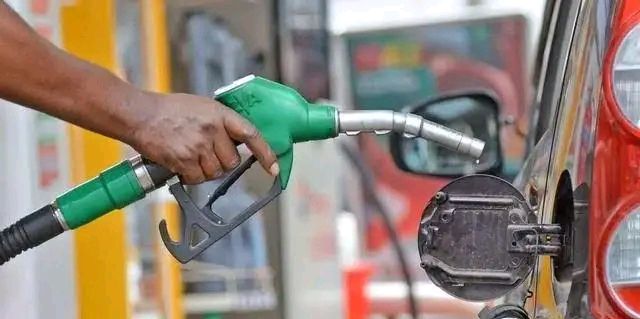

Motorists and commuters across Nigeria are facing mounting financial pressure as petrol prices remain above ₦1,400 per litre in some locations, prompting concerns over rising public transport fares despite the Federal Government’s temporary fuel-price relief initiative.
The situation has renewed questions about how effectively government interventions are reaching ordinary Nigerians, particularly commercial drivers, traders, workers and students who depend on daily transportation.
The Federal Government announced a 30-day petrol discount at Nigerian National Petroleum Company Limited (NNPC) retail outlets in October as part of efforts to cushion the impact of rising fuel costs. Finance Minister Taiwo Oyedele said the arrangement was designed to provide relief without restoring the former nationwide petrol subsidy regime.
However, reports from different media organisations indicate that access to the discount has been limited by the conditions attached to some purchases, while petrol prices at filling stations have remained high. Channels Television reported the government’s announcement, while Punch reported that customers at some NNPC outlets needed to use the company’s mobile application and pay digitally to obtain a ₦66-per-litre reduction.
For commuters, increases in transport fares can quickly affect household budgets, particularly for people who travel to work, school and markets every day. Higher fuel expenses also place additional pressure on commercial operators, whose running costs include vehicle maintenance, spare parts and other operating charges.
When fuel prices rise, transport operators may adjust fares to cover their expenses. But the resulting burden falls heavily on passengers, many of whom are already managing higher prices for food and other essential goods.
The effects can extend beyond daily commuting. Higher transport costs may also increase the cost of moving agricultural produce and consumer goods, potentially adding to inflationary pressures across local markets.
The Federal Government’s intervention was announced against the backdrop of a sharp increase in petroleum costs. Under the arrangement, NNPC Retail agreed to forgo its retail profit margin for a limited period, with public transport operators identified as a priority.
The government also proposed negotiating a ₦1,350-per-litre ceiling on petrol’s ex-gantry or landing cost. Officials explained that the measure was intended to moderate sudden price movements rather than guarantee that petrol would retail at that price nationwide. .
Nevertheless, the practical impact of the relief depends on the amount of discounted fuel available, how easily eligible transport operators can access it and whether savings are reflected in the fares charged to passengers.
There is also a need for transparent information on participating outlets, eligibility requirements and the duration of the programme to enable Nigerians to understand the benefits available to them.
The latest fuel-price pressures have highlighted the need for measures that go beyond temporary discounts. Expanding access to compressed natural gas (CNG)-powered transport, improving public transportation and reducing avoidable logistics costs could help limit the effect of fuel-price fluctuations on commuters.
The Presidency has previously cited examples of government-supported CNG transport services reducing fares on selected routes. However, broader and sustained relief will depend on the availability of vehicles, refuelling infrastructure and effective implementation across states. .
For millions of Nigerians, the central concern remains whether the government’s intervention will translate into affordable journeys and lower living costs.
Until fuel-price relief becomes accessible and its benefits reach passengers, commuters and transport operators are likely to remain exposed to the pressures of expensive petrol and rising transportation expenses.