

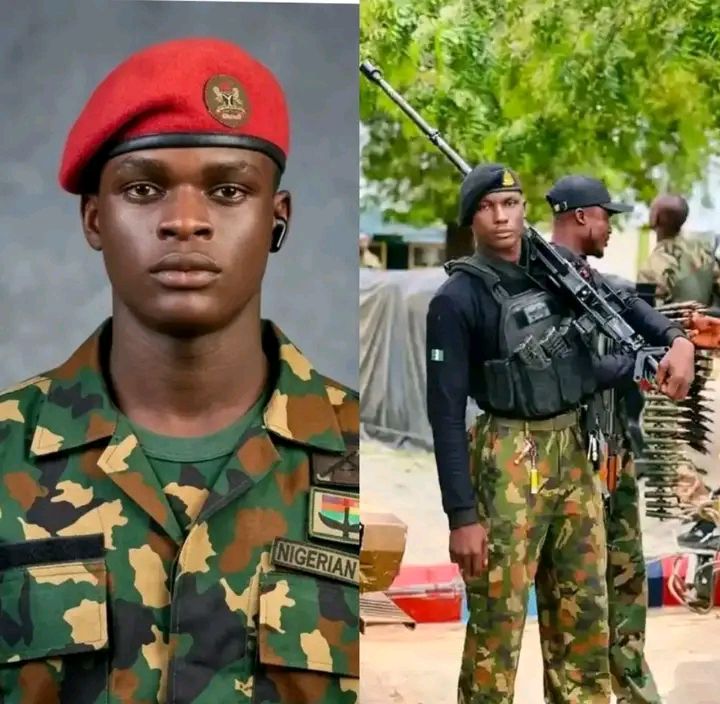

Eyewitness account raises questions over circumstances surrounding soldier’s death during reported confrontation with NDLEA operatives
KADUNA — Fresh allegations surrounding the death of Nigerian Army personnel Private Umar Aliyu, popularly known as “Black Warrior,” have intensified calls for a transparent investigation into his fatal encounter with operatives of the National Drug Law Enforcement Agency (NDLEA).
The controversy has drawn public attention following claims by an alleged eyewitness that Aliyu was shot multiple times during the confrontation, despite reportedly disclosing his military identity to the personnel involved.
According to accounts published by Nigerian news platforms, the witness alleged that the soldier sustained gunshot wounds, attempted to seek assistance and was subsequently shot again. The witness also questioned whether appropriate efforts were made to secure medical treatment for the injured soldier.
These claims have not been independently established, and the full circumstances surrounding the incident remain subject to investigation.
Reports indicate that the confrontation reportedly began after NDLEA operatives arrested a friend of the off-duty soldier. Other accounts have suggested that a disagreement escalated during the encounter, with allegations that Aliyu threatened or confronted the officers. The competing narratives underscore the need for investigators to establish what happened before deadly force was used.
The incident has prompted strong reactions from members of the public and individuals identifying themselves with the military, with several demanding accountability and clarification from the relevant authorities.
A central question raised by critics is whether the use of lethal force was necessary and proportionate to the circumstances. They have also called for investigators to establish when the operatives became aware of Aliyu’s military status and what actions followed.
Questions have similarly been raised over the reported handling of the wounded soldier and whether prompt medical assistance was provided.
In response to the growing controversy, reports published on October 18 indicated that the NDLEA had suspended the commander who led the operation and initiated an investigation into the incident. Reports also stated that agency representatives had been dispatched to engage with the soldier’s family. The findings of the investigation have yet to be established in the reports reviewed.
The case has renewed public discussion about the conduct of security personnel, the appropriate use of force and the importance of cooperation among Nigeria’s security agencies.
Observers have stressed that the investigation should examine eyewitness accounts, available video footage, forensic evidence, medical records and the statements of all personnel involved.
They have also urged the authorities to ensure that any officer found to have acted unlawfully is held accountable in accordance with the law, while protecting the rights of everyone involved.
As public reactions continue, the circumstances leading to Private Umar Aliyu’s death remain a matter requiring credible evidence and an impartial official determination.
For the soldier’s family and those seeking justice, a transparent account of the incident and the outcome of the investigation will be essential to establishing responsibility and maintaining public confidence in the country’s security institutions.